How to price a floor repair in New Zealand
How NZ builders price a timber floor repair: find the cause, what is under the boards as a provisional sum, matching the old floor, labour by stage.
Last updated
A floor repair is a small job with a big unknown: you cannot see what is under the damaged boards until they are up. Price what you can see (lifting the old floor, the new flooring and fixings, making good at the edges and the rubbish) and carry what is underneath as a stated provisional sum. Find out what did the damage before you price the fix, because a leak, borer or damp that is still there will undo the repair.
What goes into a floor repair quote?
Lifting the damaged flooring and any underlay, denailing the framing and getting rid of the rubbish. Inspecting the subfloor: probing the joists and bearers, clearing the cavity, packing or planing the joist tops level and treating the timber you are keeping.
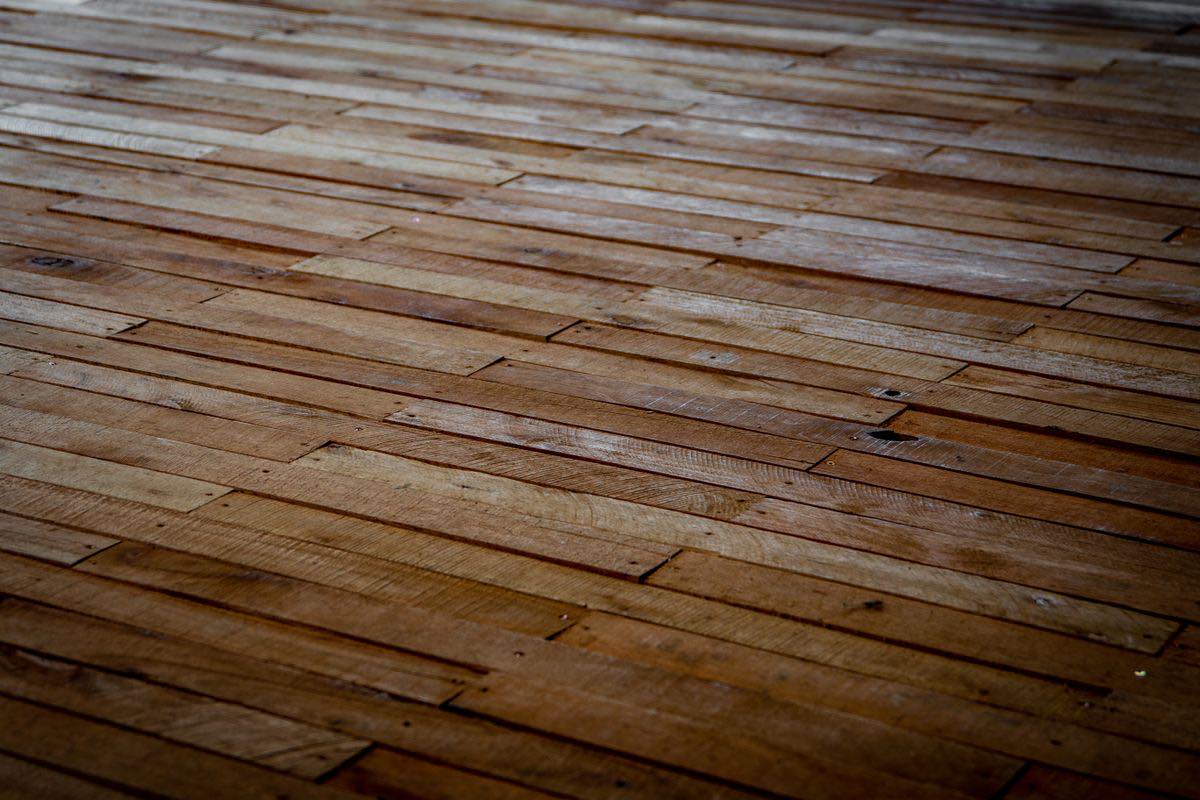
Then the new floor: the flooring itself, and any substrate under it, with the fixings and adhesive. Last, making good at the edges: scribing to the existing floor, transition strips at doorways, and refitting the scotia and skirting where the repair meets the walls. Allow a skip or a trailer load for the old boards.
What caused the damage?
Work it out before you quote, and write down who fixes it. The usual causes are water (a leaking shower, pipe, window or door), borer, and damp under the house from poor ventilation or ground moisture. A plumbing leak is the plumber's to fix, so exclude it or carry it as an allowance.
If the cause is still there, the new floor will fail the same way. Say so in the quote rather than taking it on quietly.
What's under the floor?
That is the part you cannot price until you see it, so carry it as a provisional sum and say what it covers: sistering joists, repairing a bearer, borer treatment and drying out. Tell the client the amount is confirmed once the floor is open, and that anything beyond it is a variation.
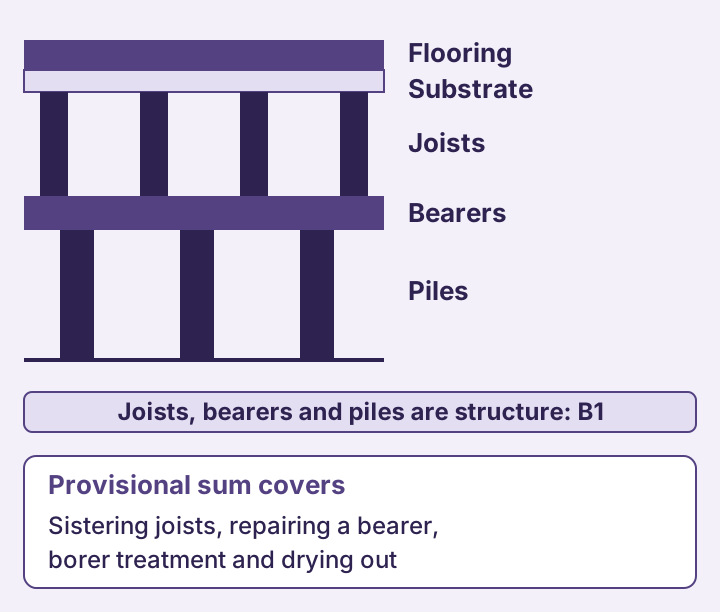
Joists, bearers and piles are structure under clause B1 (Structure). If the damage has gone that far, replacing whole runs of subfloor or re-piling is a different job from a floor repair. Stop, show the client and price it separately.
How do you match the existing floor?
Look at what is there before you order. Old tongue-and-groove floors are often a native timber, a width or a profile that is no longer stocked, so you may need reclaimed boards or a milled match, and that changes both the price and the lead time.
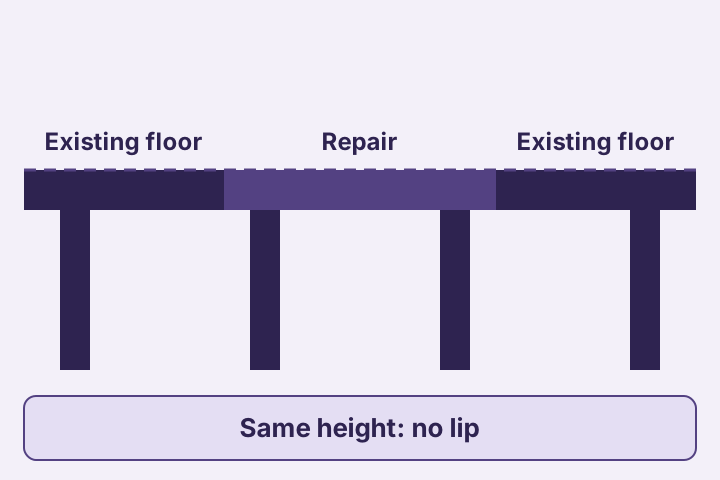
Check the finished level. The new floor has to meet the old one without a lip, so the build-up you price (boards straight onto the joists, or boards over a substrate) has to end at the same height as the floor around it. If the floor will be sanded and finished to match, decide who does it and whether it is in your price.
How do you work out the labour on a floor repair?
By stage. Lifting the damaged floor; inspecting and preparing the subfloor; laying any substrate; laying the finished flooring; and making good at the edges. Each one grows with the area of the repair.
Then adjust for the job. Access to the room and under the floor, furniture to move, a house that is lived in, and the size of your crew all change how long the same repair takes.
Does a floor repair need building consent?
Ask your building consent authority before you quote. Replacing damaged boards is a different question from replacing joists, bearers or piles, which are structure under B1. The repair also has to last, which is clause B2 (Durability). If what you find once the floor is up is bigger than a repair, check again before carrying on.
What should a floor repair quote exclude?
Write the exclusions down. The usual ones: replacing whole runs of joists or bearers, or re-piling, beyond the provisional sum; whole-house borer treatment; sanding, sealing, oiling or polishing; disconnecting plumbing or electrical, and repairing the leak that caused the damage; asbestos testing and removal, which matters under old sheet vinyl and some old underlays; carpet, vinyl or other floor coverings; and delivery and cartage unless it is its own line.
Can software price a floor repair for me?
CostMate builds a floor repair estimate from the repair area, access, your crew and your region. It prices the replacement tongue-and-groove boards, a structural plywood substrate, fixings and adhesive, and the rubbish. The labour runs in five stages, from lifting the old floor to making good at the edges. A subfloor condition allowance is always included as a provisional sum, to confirm once the floor is open. Materials are priced from Dayle ITM and PlaceMakers trade pricing or your own supplier pricing, and there is a free plan with no card to start.
Make sure the build-up it prices matches the floor you are repairing and finishes level with the floor around it, and put your own figure on the subfloor allowance once you have looked underneath.
For a floor repair quote you have already written, the free Quote Checker is there for a second look, without a sign-up.
Before you quote, confirm the cause of the damage, the condition of the subfloor and the consent position with your building consent authority.
Price your own floor repair job Free to start. No credit card required. Start free