How to price joinery replacement in New Zealand
How NZ builders price window and door replacement: flashings and make-good per opening, units as allowances, resized openings, rot, Schedule 1 exemption 8.
Last updated
Price window and door replacement per opening: the new unit, the flashings and air seals, making good the cladding outside and the linings inside, and the labour to take the old unit out and fit the new one. The number of openings drives nearly everything. The two big unknowns are the units themselves, until they are measured and quoted, and what is behind the old frames, so carry both honestly rather than guessing them into the total.
What goes into a joinery replacement quote?
For every opening: the new window or door unit; a head, jamb and sill flashing set; air-seal tape, PEF rod and sealant; the cavity closer, packers and fixings; the interior reveals and architraves; making good the cladding outside: cutting back, scribers and facings; and making good the linings inside.
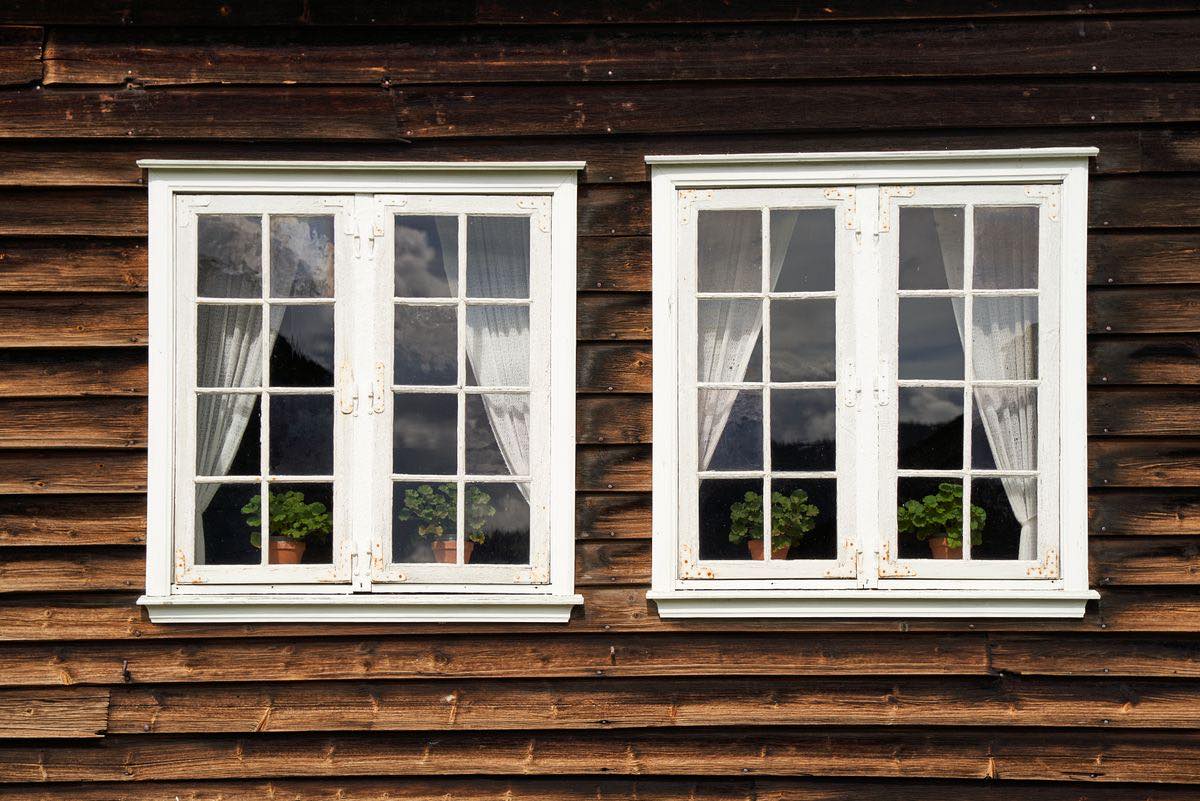
Then the job-wide items: site setup and protection inside the house, removing and disposing of the old units, a skip, painting (usually the painter's price), scaffold or an elevated work platform for upper-floor openings, and a provisional sum for rot or framing repair once the old frames are out.
How should you price the units?
As an allowance until every opening is measured. Check the width and height, the sill height, and whether the opening is square and plumb on site, before anything is ordered, and carry the units as a PC sum or provisional sum until the joinery manufacturer has quoted them against those measurements.
Aluminium, uPVC, timber and thermally broken frames price differently, and so does the glazing. Get the frame and glass quoted for the job rather than carrying one rate for every choice, and check the safety-glazing requirements for doors and low windows under clause F2 with the manufacturer.
Like-for-like or resizing?
This is the decision that changes the scope most. A like-for-like replacement reuses the existing opening and lintel. Resizing an opening or cutting a new one means a new lintel and jamb framing, straps where the lintel needs holding down, propping while the wall is open, and opening up and making good more cladding and lining than a straight swap.
Treat a wider opening or anything near a load-bearing wall as a B1 (Structure) question. MBIE's guidance recommends professional advice from an engineer, architect, building consultant or building surveyor for work close to or involving potentially load-bearing walls, so price the lintel from a design, not from habit.
What about flashings and hidden rot?
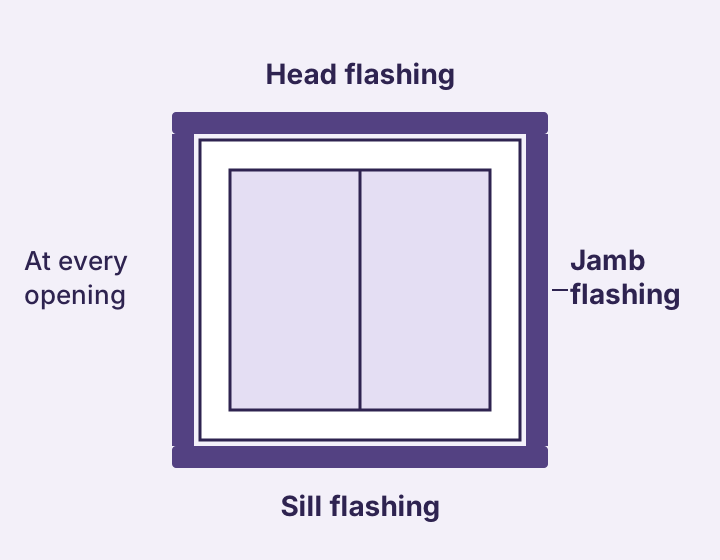
Price new head, jamb and sill flashings, air seals and flashing tape at every opening, to the E2/AS1 details. If you are thinking of keeping any of the old flashings, confirm with your building consent authority first rather than assuming they will do.
Rot and damaged framing only show once the old frame is out. Carry the repair as a stated provisional sum and confirm the extent after strip-out, rather than folding a guess into the per-opening price.
How do you work out the labour on joinery replacement?
By stage, per opening: site setup and protection; removing and disposing of the old unit; preparing the opening and coordinating any framing repair; installing the new unit; flashings, tapes, air seals and sealants; making good the cladding and trims outside; the reveals, architraves and lining make-good inside; and the final painting check and snag list.
Then adjust for the job. Difficult access, winter weather, the size of your crew, a client living in the house, and suspected asbestos all change how long the same set of openings takes.
Does replacing windows and doors need building consent?
Usually not. Exemption 8 in Schedule 1 of the Building Act 2004 covers building work in connection with a window, roof window or exterior doorway in an existing dwelling or outbuilding of not more than 2 storeys. MBIE's guidance (read 27 September 2026) gives two exceptions: where the unit being replaced has failed the Building Code's durability requirements, for example through an external moisture failure, and where the work modifies or affects a specified system such as sprinklers or fire alarms.
MBIE explains the durability test this way: doors and windows in an external wall generally have to last at least 15 years, so replacing a rotted unit older than that is exempt, but replacing one that failed within 15 years needs consent. MBIE's own examples of exempt work include widening an opening for new doors with a new lintel.
Exempt work still has to comply with the Building Code, and the altered building has to comply at least as well as it did before. Openings that form part of a pool barrier have their own requirements. Check with your council before you quote if any of this is unclear.
What else changes the price?
Energy performance: price the units as an allowance, not to a thermal target, and confirm the glazing performance the job needs under H1 (Energy efficiency) with the designer or joinery manufacturer.
Older houses: assume there could be asbestos in the linings or around the openings until a survey says otherwise, and arrange that survey before anything is disturbed. Allow for lead paint on old joinery and trims. Keep testing and removal out of your price unless you have priced them. The free asbestos risk tool walks through the questions.
Openings in wet areas: a window in a kitchen or bathroom can disturb tiling, splashbacks and waterproofing. Price that separately or exclude it.
What should a joinery replacement quote exclude?
Write the exclusions down. The usual ones: hidden rot, moisture damage, failed existing flashings and structural repair beyond the provisional sum; asbestos removal; lead paint; knock-on work in kitchens and bathrooms; matching an existing joinery profile, sash detail or moulding; repainting beyond the work area; delivery and cartage unless it is its own line; and scaffold hire past the period your scaffolder allowed for, including time stood down waiting on an inspection.
Can software price joinery replacement for me?
CostMate builds a joinery replacement estimate from the number of windows and doors, the frame material, upper-floor openings, any resized openings, lining make-good and the age of the house: the flashings, seals, closers and reveals for every opening in the total, the labour by stage, and the units, make-good, painting, scaffold and rot as separate allowances. Materials are priced from Dayle ITM and PlaceMakers trade pricing or your own supplier pricing, and there is a free plan with no card to start.
The units are a placeholder until the joinery manufacturer has quoted your measurements.
If the window and door quote is already written, the free Quote Checker is there for a second look, no sign-up needed.
Before you quote, measure every opening, confirm any lintel or load-bearing work with your designer or engineer, and check the consent position against Schedule 1 and your council.
Price your own joinery replacement job Free to start. No credit card required. Start free